 Melania Trump
AI in Schools
First Lady Melania Trump announced the Presidential Artificial Intelligence (AI) Challenge, inviting K-12 students and educators across America to participate.
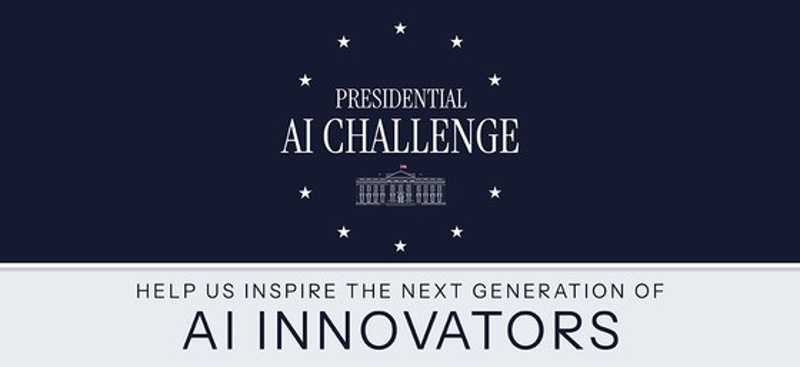
"The Presidential AI Challenge will be the first step in preparing our next generation with a base understanding of this important new technology," said Melania.
In a recent video on AI.gov, she reflected on her own experience with AI while creating her audiobook, emphasizing the transformative potential and inherent risks of this technology. Melania stated, "In just a few short years, artificial intelligence will be the engine driving every business sector across our economy. It is important America leads the rest of the world."
Through initiatives like the Presidential AI Challenge, Melania aims to empower the next generation to explore and innovate within this rapidly evolving field.
Melania also delivered a cautionary message to students nationwide during a Zoom meeting, urging them to embrace artificial intelligence (AI) without surrendering their own creativity. She stressed that AI should serve as a tool, not a shortcut, in classrooms.
 The Challenge
AI can be harnessed to address emerging local, state, and regional problems, driving innovation and the renewal of America in our nation's Golden Age.
The Presidential AI Challenge seeks to inspire young people and educators to create AI-based innovative solutions to community challenges while fostering AI interest and competency. Students and educators of all backgrounds and expertise are encouraged to participate and ignite a new spirit of innovation as we celebrate 250 years of independence and look forward to the next 250 years.
The Presidential AI Challenge will foster interest and expertise in AI technology in America's youth. Early training in the responsible use of AI tools will demystify this technology and prepare America's students to be confident participants in the AI-assisted workforce, propelling our Nation to new heights of scientific innovation and economic achievement.
Student participants will complete a project that involves the study, development, or use of an AI method or tool to address community challenges, while educators will focus on creative approaches to teaching or using AI technologies in K-12 learning.
Melania frames AI as a powerful assistant
Melania warned that while artificial intelligence has the power to expand learning and unlock creativity, overreliance on it could undermine students' intellectual growth.
The first lady made the remarks during a nationwide webinar titled "AI for Tomorrow's Leaders," hosted by Zoom and attended by K-12 students across the United States.
Melania emphasized that technological progress should never come at the expense of curiosity, discipline, or independent thinking. She framed AI as a powerful assistant, but one that must remain secondary to human imagination. "Although artificial intelligence can generate images and information, only humans can generate meaning and purpose," she told students.
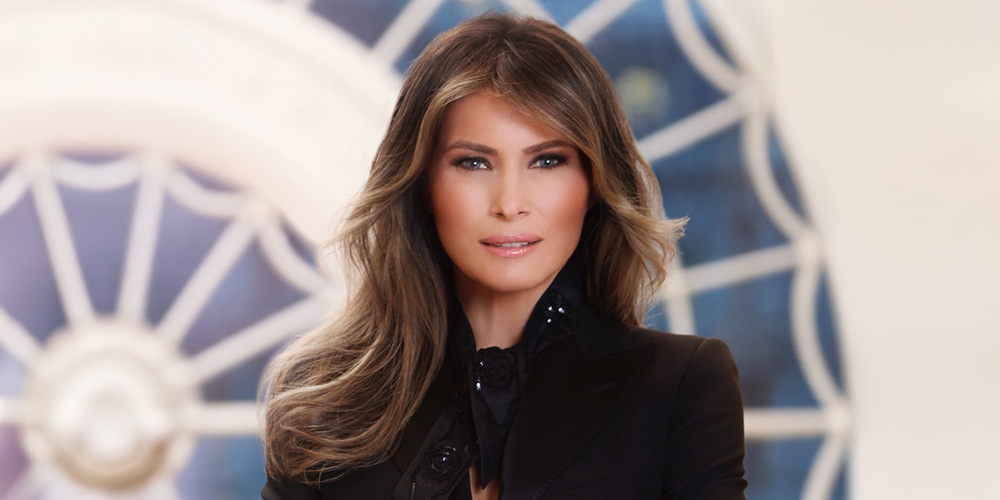
Melania urges intellectual honesty among students
The core theme of Melania's remarks was the danger of treating AI as an easy fix rather than a learning aid. She cautioned students against allowing algorithms to do the work that develops reasoning and creativity.
"Choose to let your imagination drive your intellectual progress," she said. "But never use AI as a quick solution. Be intellectually honest with yourself — use AI as a tool, but do not let it replace your personal intelligence." The first lady reminded her audience that history's greatest achievements were driven by human curiosity, persistence, and creativity, not automation.
In her speech, Melania urged citizens to "take action," adding, "Use AI to unlock new parts of your imagination. Lead with your ideas. Stay sharp."
Nevertheless, she also asked viewers to use caution while using AI, stating, "Never surrender your thinking to AI. Be intellectually honest with yourself. Use AI as a tool, but do not let it replace your personal intelligence."
Age of AI is ‘Age of Imagination'
Overall, Melania struck an optimistic tone about the future of education in an AI-powered world.
She described the present moment as a transformative period where technology can help students explore ideas faster and more deeply than ever before.
"The Age of Imagination is a new era, powered by artificial intelligence, where one's curiosity can be satisfied almost magically, in seconds," she said.
"You are fortunate to have the capability to fulfill your dreams through the power of learning, with AI serving as the primary engine for creative exploration."
Melania positioned AI as an amplifier of human potential rather than a substitute for it, encouraging students to approach the technology thoughtfully and ethically.
Zoom CEO Eric Yuan
Zoom founder and CEO Eric Yuan also participated in the summit. Yuan said artificial intelligence has already reshaped how people learn, work, and connect, making education around AI literacy increasingly important.
"That's why it's so important to help students and educators build AI literacy and feel confident using these tools in thoughtful, creative, and ethical ways," he said.
The summit focused on practical applications of AI in education while underscoring the need for guardrails that ensure technology enhances, rather than diminishes, learning outcomes.
Melania, the Film
The film chronicles the 20 days leading up to the 2025 presidential inauguration, capturing her as she orchestrates inauguration plans, navigates the complexities of the White House transition, and moves her family back to the nation's capital.
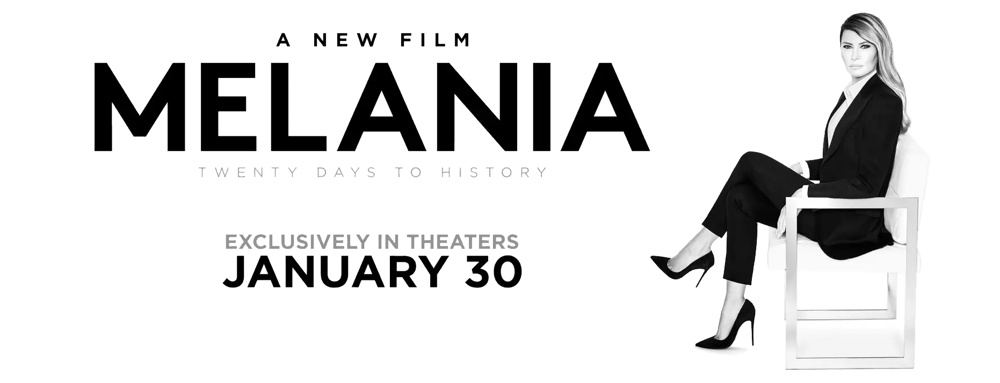
The film had a showing at the White House, with the official premiere at the Trump-Kennedy Center. The film will be available in theatres across America and around the World starting January 30.
 Links
Links
National AI Strategy page.
AI Action Plan page.
Trump AI page.
Trump AI Initiatives page.
Project Genesis is a federal effort to boost innovation in AI.
Books:
- Melania the book is a compelling and inspirational memoir that offers a glimpse into the life of a remarkable woman who has navigated challenges with grace and determination.
- Melania Trump: Elegance in the White House is a new and improved second edition full of stunning photos showcasing Melania Trump's time as First Lady of the United States.
External links open in a new tab:
- AI.gov/initiatives/presidential-challenge
- whitehouse.gov/briefings-statements/2025/08/first-lady-melania-trump-launches-nationwide-presidential-ai-challenge/
- foxnews.com/politics/inside-melania-unprecedented-access-behind-melania-trumps-first-film
- en.wikipedia.org/wiki/Melania_(film)
- news.meaww.com/melania-trump-warns-students-against-using-ai-shortcuts-never-surrender-your-thinking